

How to Identify Signs of Abuse in School-Aged Children: What California Parents Should Know
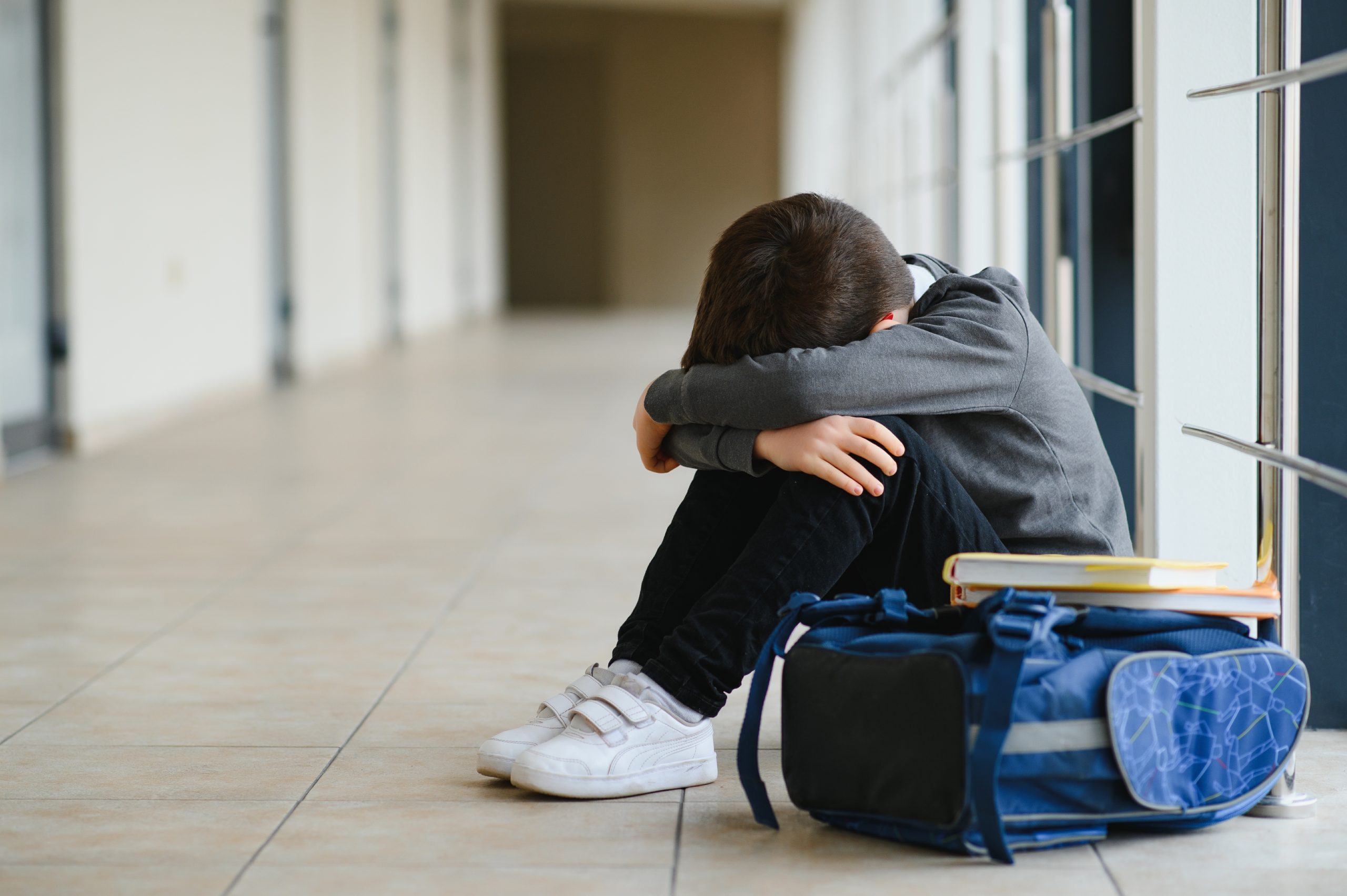 Abuse of school-aged children is often hidden in plain sight. Symptoms appear unrelated and random until parents find out what their child has experienced, at which point everything comes together and makes sense. Fear, confusion, and intentional manipulation can keep a child silent for years before they ask for help. But by being aware of changes in mood, behavior, and physical health, parents can advocate for their child and get help when they need it.
Abuse is, unfortunately, a reality for too many California children. If your child has been victimized, we’re here to help you hold the perpetrator accountable. Call Taylor & Ring’s team of sexual abuse attorneys now.
Why children may not speak up right away
When parents find out that their child has been abused, often by the very people they trusted with their child, they often have one question: Why didn’t you tell us sooner? In many cases, a child’s silence is a result of how the abuse occurred.
Children may link their behavior to the treatment they are receiving from others, even when there’s no correlation. So if they’re experiencing physical, sexual, or emotional abuse from a teacher, coach, or other person, they may believe that they deserve it. Children often spend months or years trying to “be better” in an effort to “deserve” better treatment.
Kids may also fear the consequences of telling their parents what happened. They often worry that if their abuser finds out that they told a loved one what happened, the abuse will get worse.
Finally, some children simply cannot process abuse in a way that allows them to communicate it right away. They may dissociate during abuse or suppress the memories as a way of coping. Others may not have the language to explain what’s happening to them.
Behavioral red flags parents should watch for
Behavioral red flags are often the earliest warning sign that something is wrong. Any major behavioral change in a child warrants a deeper look, whether that’s with a doctor, a psychiatrist, or both. A child who was once outgoing and friendly may become withdrawn, anxious, and isolated. A child with no history of behavior issues may become irritable, defiant, or outright aggressive.
Regression is another way that abuse shows up in behavior. A child may suddenly lose skills that they mastered years ago or struggle with issues that were long resolved.
Finally, watch out for avoidance behaviors. A child suddenly refusing to go somewhere they used to go with ease or intentionally avoiding contact with a specific person may be a red flag.
Emotional and psychological warning signs
Emotional and psychological changes can also point to abuse. A child experiencing abuse may become fearful or hypervigilant; this often looks like being constantly on edge or being easily startled. You may also see a child show signs of depression, such as persistent sadness, fatigue, or general apathy towards life.
Sleep disturbances are another warning sign. If your child begins struggling with nightmares, insomnia, frequent wakings, or excessive sleepiness, these symptoms may be a sign of trauma or extreme stress.
Extreme and unexpected emotional reactions may indicate psychological or emotional struggles. A child who becomes irrationally angry, afraid, or panicked in response to something fairly routine could be under enormous stress due to abuse.
Physical indicators
Physical signs may be harder to pick up on, particularly for younger children who are prone to injuries from playing outside or playing sports. Parents should be aware of unexplained injuries, bruising, and injuries that don’t match the accidents reported by their child.
Sudden changes in hygiene and appearance may also point to abuse or neglect. While this is more common when the abuse is happening at home, and parents are failing to meet their children’s needs, children may also change their hygiene or dressing habits in response to abuse.
How California law protects survivors of childhood sexual abuse
California law provides expanded protections for survivors of childhood sexual abuse. The state’s delayed discovery rule may affect when the statute of limitations begins to run. In such cases, it may not run until a victim discovers (or can reasonably be expected to discover) their injury and abuse. In cases of childhood sexual abuse, that may mean no civil filing deadline for abuse occurring on or after January 1, 2024, or, for older claims, until age 40 or within five years of discovery. Note, though, that there are limitations and exceptions.
These protections are particularly important in cases involving trauma-induced silence. When this occurs, it’s not uncommon for a child not to understand or process what happened to them until years later. Without a delayed discovery rule, that could mean losing the right to sue before they even have the chance to process their abuse.
There’s nuance in these protections, which is why it’s important to work with an abuse attorney who can help you understand your legal options and advocate for you during negotiations and in court. Proving abuse can be challenging, particularly years after the fact, but it is not impossible. While California law may give victims extra time to seek compensation, early action can give you more time to gather evidence, build your case, and prepare for what lies ahead.
Explore your options with Taylor & Ring
At Taylor & Ring, we are committed to helping victims of abuse get the closure and justice they deserve. Let’s discuss your case, your legal options, and your next steps. Reach out online or call us to schedule a consultation now.

David Ring is a nationally renowned plaintiff’s personal injury trial attorney and has obtained multi-million dollar verdicts and settlements on behalf of seriously-injured individuals or families who have lost a loved one in a tragic accident. For more than 20 years, he has represented victims of sexual abuse, sexual harassment, assault, molestation and sexual misconduct in cases against a variety of employers and entities, including schools, churches and youth organizations.
He prides himself on providing aggressive, yet compassionate representation for children who have been sexually abused and women who have been sexually harassed or assaulted. Read more about David M. Ring.